For the leader whose organization is growing but breaking, motivated by calling, not just opportunity.
Most organizations don't fail from too little vision. They fail from too little infrastructure.
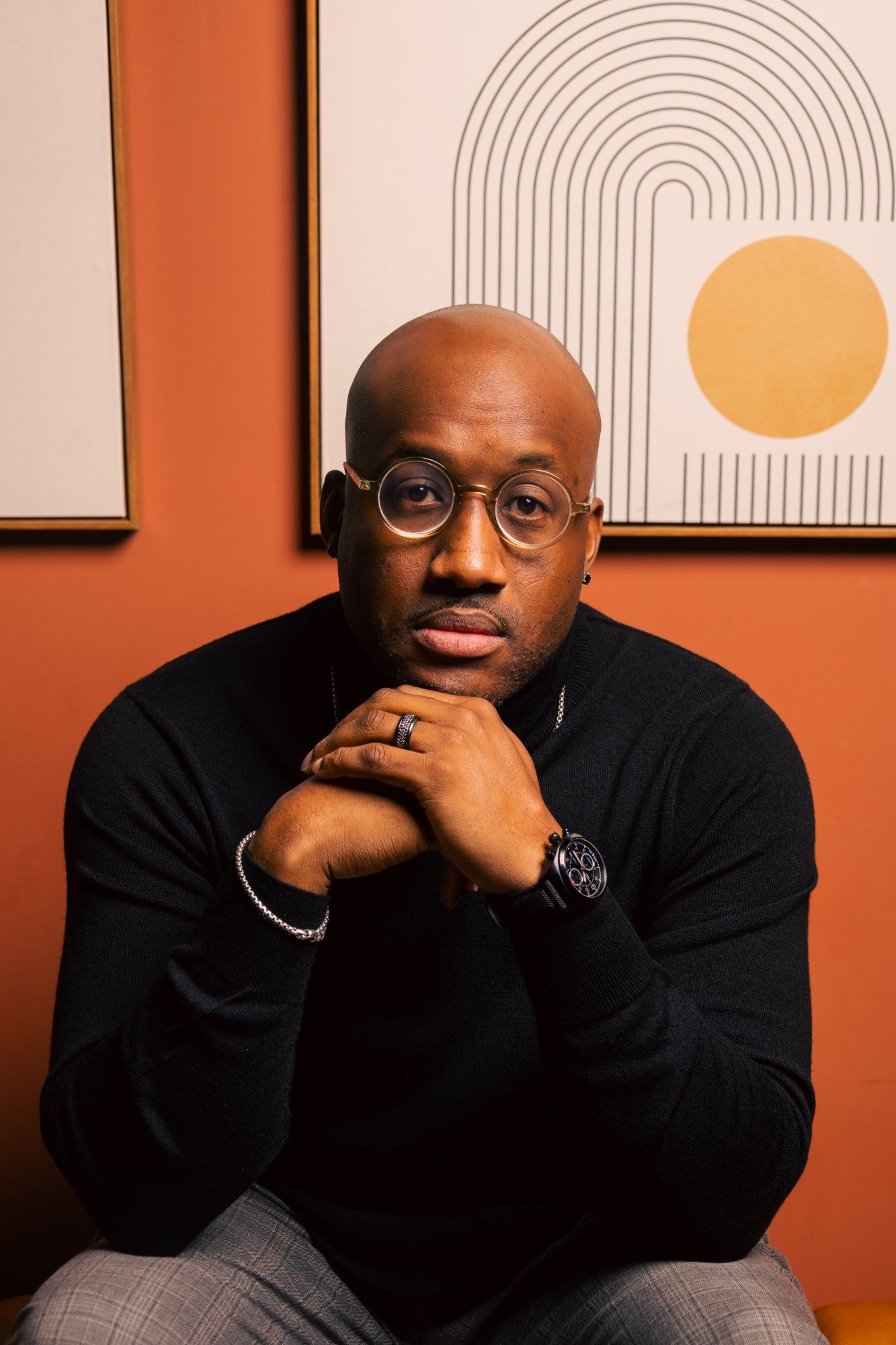
A sales executive who managed billions of dollars in accounts and clients. A senior leader who helped build and scale a multi-site church. Now the Executive Pastor of one of the fastest-growing churches in the country.
I've been consulting since 2014 — serving churches, executives, and organizations across the US, Canada, and Africa. The work is the same everywhere: build the infrastructure before the weight arrives, or spend everything you have recovering after it does.
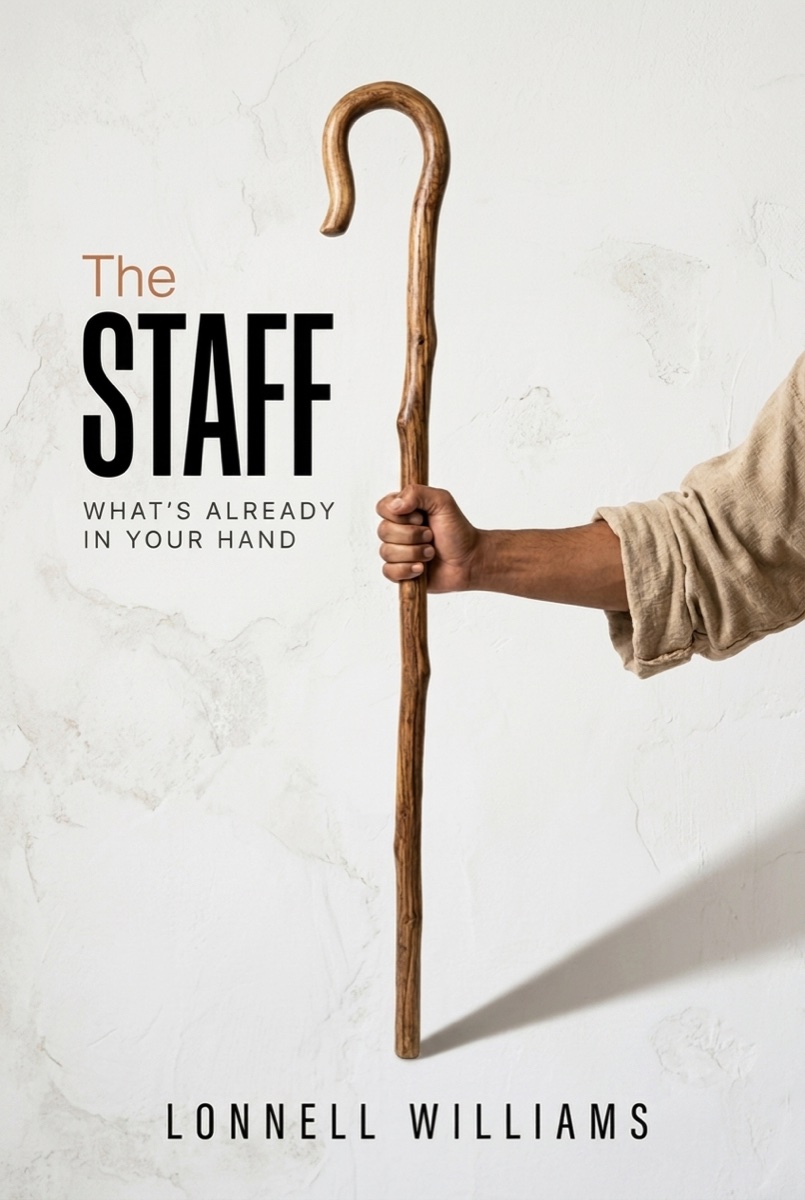
I hold a Master of Divinity from Princeton Theological Seminary. I'm the author of three books. A husband, a father of four, and an operator who believes that stewardship — of people, of resources, of calling — is the most serious work a leader can do.
The instruction is simple: arise and build.
These are the five things he has actually been hired, called, and trusted to do — across corporate sales floors, seminary classrooms, and ministry organizations. Each one is earned. None of them are goals.
Nearly every leadership resource is built for the first chair — the visionary, the founder, the one out front. Almost none of it is built for the person beside them: the executive who carries the weight of the vision without owning the title. That seat has its own rules. This is the breakdown.
You're a practitioner who needs someone who's actually doing it — not consulting from the sideline.
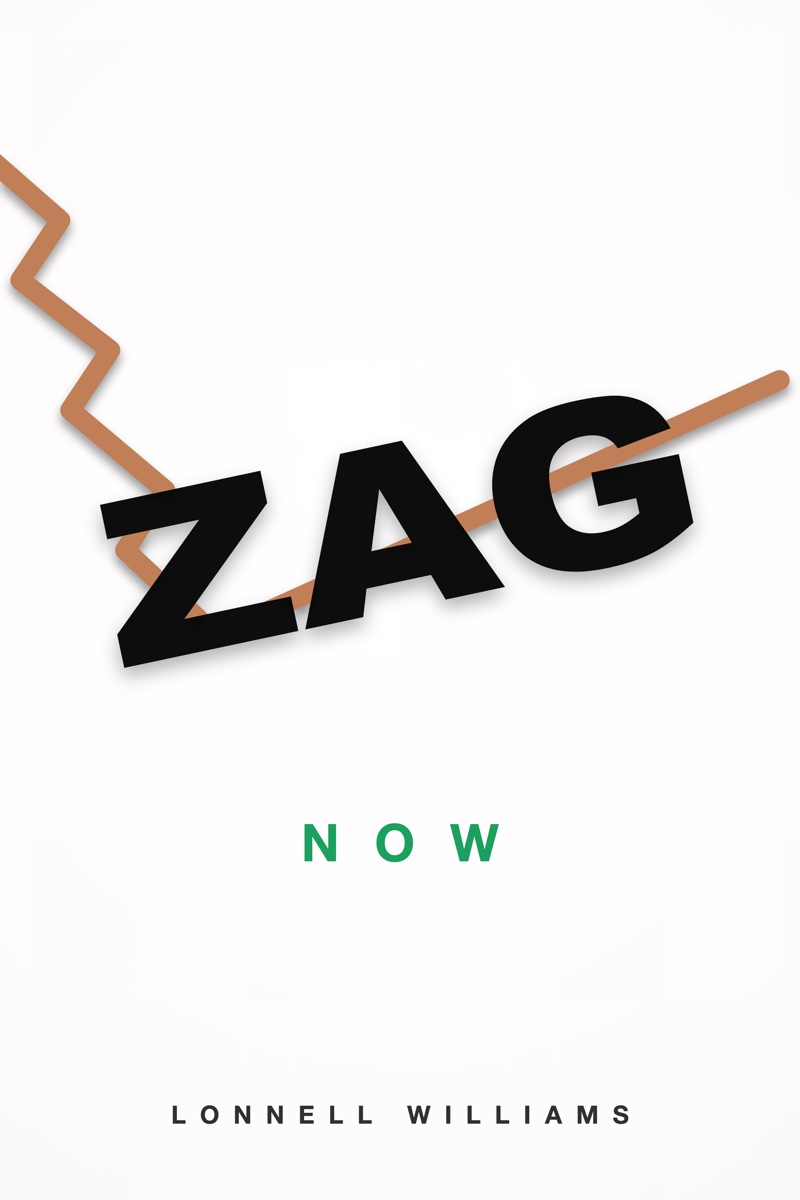
These books are not a collection. They're a sequence. Anything, Everything, or Nothing at All is the formation work — the question you have to answer before you're qualified to lead anyone else. ZAG is what comes after. You cannot lead the way Jesus led until you've settled who you're leading for. Start with AENA. Then build with ZAG.
I'm not building this because ministry succeeded. I'm building this because leaders — inside churches, inside boardrooms, inside nonprofits — are making decisions that affect thousands of people without the infrastructure to support the weight of those decisions.
That's not a market opportunity. That's a stewardship problem.
Most organizations don't know they're breaking until they're already broken. This diagnostic framework identifies exactly where your systems are strained — and what to fix first. 15 minutes. Specific answers.
GET THE FREE AUDIT
No spam. One-click unsubscribe. Ever.
I'm building Second Chair, an AI back office for the church that can't hire.More soon